
"historical coffee culture"
600 article(s) found

The quietly rising coffee culture in Shanghai pursues multicultural enjoyment.
In the history of more than 160 years since Shanghai opened its port, there have been some famous old cafes. Among them, the ruins of the public coffee cafe, located on Duolun Road, Hongkou District, is a historical landmark where Mr. Lu Xun attended the youth gathering of the left-wing Writers' Union in the late 1920s. Since then, cafes in Shanghai have been associated with progressive literature. After more than 80 years, coffee culture has sprung up again in Shanghai. Coffee

Coffee life Shanghai pursues multi-cultural enjoyment of coffee
In the history of more than 160 years since Shanghai opened its port, there have been some famous old cafes. Among them, the ruins of the public coffee cafe, located on Duolun Road, Hongkou District, is a historical landmark where Mr. Lu Xun attended the youth gathering of the left-wing Writers' Union in the late 1920s. Since then, cafes in Shanghai have been associated with progressive literature. After more than 80 years, coffee culture has sprung up again in Shanghai. Coffee

Coffee Culture and the Development of Coffee in the Historical World
Europeans first came into contact with coffee around 1515-1519, but were not interested in it for a long time. In 1585, 30 years after the emergence of cafes in Istanbul, the Vatican envoy Morosini reported that these people were all humble, tacky and unenterprising, just wasting their time all day. So, they just sit around all the time

Coffee culture in Shanghai is quietly rising in pursuit of multicultural enjoyment.
In the history of more than 160 years since Shanghai opened its port, there have been some famous old cafes. Among them, the ruins of the public coffee cafe, located on Duolun Road, Hongkou District, is a historical landmark where Mr. Lu Xun attended the youth gathering of the left-wing Writers' Union in the late 1920s. Since then, cafes in Shanghai have been associated with progressive literature. After more than 80 years, coffee culture has sprung up again in Shanghai. Coffee

Shanghai Coffee atmosphere Shanghai pursues multi-cultural enjoyment of coffee
In the history of more than 160 years since Shanghai opened its port, there have been some famous old cafes. Among them, the ruins of the public coffee cafe, located on Duolun Road, Hongkou District, is a historical landmark where Mr. Lu Xun attended the youth gathering of the left-wing Writers' Union in the late 1920s. Since then, cafes in Shanghai have been associated with progressive literature. After more than 80 years, coffee culture has sprung up again in Shanghai. Coffee
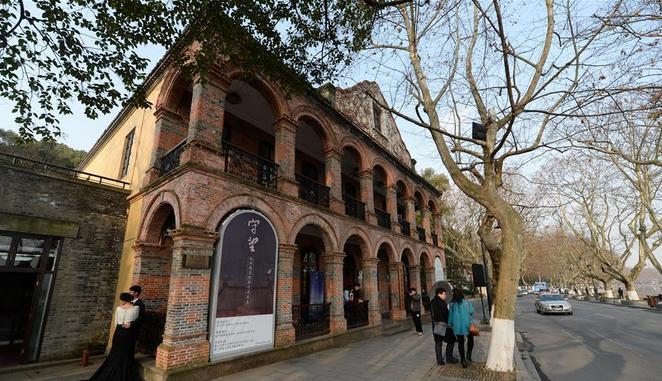
30 clubs transform into high-end catering places into coffee bars, exhibition halls, history, culture and coffee
[abstract] the reporter learned from the management committee of Hangzhou West Lake Scenic spot that according to the requirements of the central and provincial party committees, all 30 West Lake clubs have been closed and transformed, and the transformation direction is mainly public tea bars, coffee bars, exhibition halls, showrooms, and so on. Baoqing Villa opened to the gallery of Hangzhou Academy of traditional Chinese painting in August 2015 after closing the clubhouse that operates high-end food and beverage. The so-called social

Coffee beans in Vahana Manor Coffee Manor Coffee producing areas in Indonesia
Balinese residents are mainly Balinese, because historically under the influence of Indian religion and culture, most of them believe in Hinduism. There are more than 12500 temples on the island, so Bali is also known as the island of thousands of temples. Balinese classical dance is elegant and colorful, which has a unique position in the world dance art. Bali is not only beautiful and charming in natural scenery, but also rich in cultural and social customs.

The Historical Origin of Rwandan Coffee
Historical editors originate that Rwandans have been growing coffee since colonial times, but until 1999, its products were still classified as below Class C and were not popular in the global market. The reason for the poor quality is that farmers do not have a fixed procedure for washing coffee beans and do not process coffee fruits according to specifications in time. Buyers buy coffee beans at $0.33 per kilogram, which farmers earn at low prices.

Coffee Culture History Coffee Culture in San Francisco
San Francisco is indeed a holiday paradise. The cultural and historical scenery is pleasing to the eye, the delicacies of the restaurant are surprising, and the magnificence of the hotel is beyond imagination. There are also all kinds of theatrical performances and sports in the big American cities that tourists expect. Overlooking San Francisco from the air, the city is as neat as a transistor radio: exquisite Victorian buildings, four

There is a cafe in the old building, why make such a fuss about coffee news
Ancient architecture should not only reflect the continuation of the original culture, but also respect the life style and quality of modern residents. There is no need to make a fuss when an old building opens a cafe. Recently, netizens have different opinions about the news that Chiang Ching-kuo's former residence has been transformed into a cafe. Netizens who disagreed with the matter complained that the act trampled on historical sites. However, righteous indignation is filled.

The spread of coffee in China and the development of coffee shop culture
The development of coffee in China according to historical records, coffee was first planted in Taiwan in 1884, which opened the prelude to the development of coffee in China. The earliest coffee cultivation in mainland China began in Yunnan, when a French missionary brought the first coffee seedlings to Binchuan County in Yunnan Province at the beginning of the 20th century. For nearly a hundred years after that, coffee was only a star in the vast territory of China.

Introduction of coffee farm in Ethiopia introduction of Ted Manor in Sidamo
From a historical point of view, coffee is closely related to the history and religious culture of Ethiopia. In ancient times, Ethiopia was called Abyssinia and Axum, which was ruled by the Solomon dynasty. According to literature, the Hamitic people of the Mitt nationality migrated from Asia minor to present-day Ethiopia, and the merchants of Semitic migrated from about seven BC.
Historical substitute coffee in Germany
Coffee online Ono column Today Germany is one of the countries that import the most coffee in the world. More than 1/4 of Vietnam's annual coffee exports are sent to Germany. But when it comes to Germany, we only think of sausages and beer, not coffee. This is because, in the 17th century, when coffee spread across Europe, Germany had almost no overseas colonization.

There is a cafe in the old building, why make such a fuss about the specialty cafe
Ancient architecture should not only reflect the continuation of the original culture, but also respect the life style and quality of modern residents. There is no need to make a fuss when an old building opens a cafe. Recently, the news that Chiang Ching-kuo's former residence has been transformed into a coffee shop is constantly fermenting, and netizens have different opinions about it. Netizens who disagreed with the matter complained that the act trampled on historical sites. However, righteousness

There is a cafe in the old building, why make such a fuss about the coffee shop, lifestyle, quality of life, old building.
Ancient architecture should not only reflect the continuation of the original culture, but also respect the life style and quality of modern residents. There is no need to make a fuss when an old building opens a cafe. Recently, netizens have different opinions about the news that Chiang Ching-kuo's former residence has been transformed into a cafe. Netizens who disagreed with the matter complained that the act trampled on historical sites. However, righteous indignation is filled.

An introduction to the historical story and brewing steps of Alishan Mazu Taiwan coffee
Follow Cafe (Wechat official account vdailycom) found that Beautiful Cafe opened its own shop in Alishan, Taiwan, a place you and I have heard of and even been to. Its geographical environment, its cultural amorous feelings, all make people want to find out. The good water of Alishan produces a lot of good tea every year. Alishan alpine tea is very famous in the world, and it is the favorite of many tea lovers.

To learn coffee, we must first understand the historical reasons of the coffee trend of the three giants.
At first, it was the delicious three-in-one instant coffee, and then it changed to the fancy coffee represented by Starbucks. Now, more and more people are beginning to accept drinking black coffee without sugar and milk to taste the pure flavor of the beans themselves. The first wave of coffee arose from instant coffee, represented by Nestl é and Maxwell, which tasted delicious and fragrant.

Historical and Cultural stories of three kinds of Coffee beans introduction to the Flavor characteristics of Arabica Coffee beans
Liberica (Liberica) Coffee is recognized as the third largest coffee variety in the coffee trade. It is also grown at low elevations. This kind of coffee is produced in Africa and is exported only to Europe. It is also a cheap coffee. It is very similar to Robus (Robusta). Robusta comes from a high yield and is not susceptible to disease.

How coffee was introduced into Arab coffee culture
European historians argue that as early as 800 years ago, there were artificial coffee trees for trade in Yemen in the southern Arabian Peninsula, and there was historical evidence that at that time, there was indeed trade across the Red Sea between Yemen and Ethiopia. Based on this, people speculate that if the use of coffee was discovered by Ethiopians, then coffee
Coffee Culture Story how Coffee was introduced into Arabia
European historians argue that as early as 800 years ago, there were artificial coffee trees for trade in Yemen in the southern Arabian Peninsula, and there was historical evidence that at that time, there was indeed trade across the Red Sea between Yemen and Ethiopia. Based on this, people speculate that if the use of coffee was discovered by Ethiopians, then coffee